Winter Bird Feeding: What to Put Out From November Through February
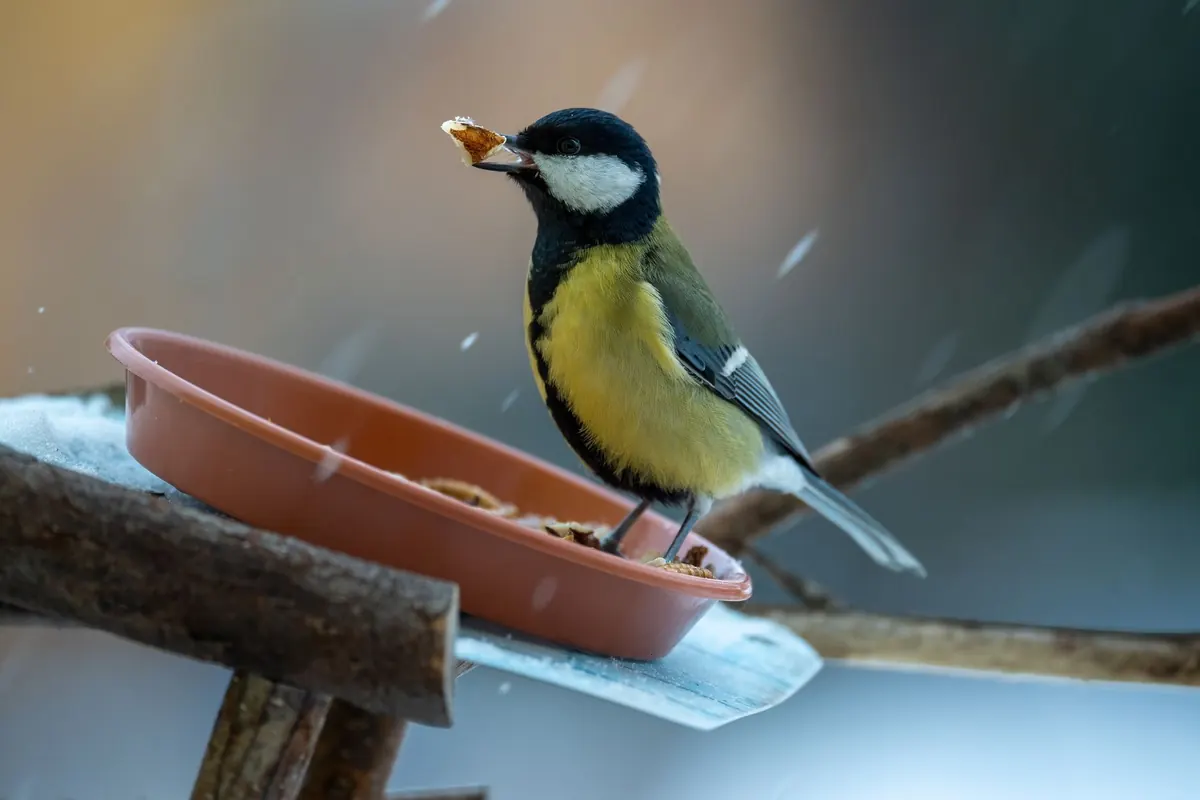
The first hard freeze changes the mood at the feeder. Chickadees that drifted through in October now arrive before the sun clears the treeline, and they are not browsing. They are refueling. A small bird can burn through much of its overnight fat reserve on a single bitter night, which is why what you put out from November through February — and how you put it out — matters more now than at any other point in the year.
Winter feeding is not complicated, but it is specific. Fat, open water, and a feeder that stays reachable when the snow is knee-deep will do more for your birds than any premium mix.
Why the winter menu changes
By November the insects are gone, seed heads are picked clean, and daylight is short. Birds have fewer hours to eat and more calories to burn. Nights are long, and sheltering in a roost cavity or a dense spruce only slows heat loss; it does not stop it.
So the goal shifts. Summer feeding is about variety and volume. Winter feeding is about density — foods that deliver the most energy per bite, offered reliably enough that a bird does not waste precious daylight searching for a feeder that has gone empty.
Fat first, then seeds and nuts
Suet and other hard fats
Plain rendered suet is the single most useful winter food you can hang. Woodpeckers, nuthatches, chickadees and Carolina wrens work suet cakes hard from first light to dusk. Look for cakes made with rendered beef fat rather than vegetable shortening, which softens in a thaw, and pick versions with peanuts, sunflower chips or dried insects for extra calories.
Hang suet in a cage or a tail-prop feeder — woodpeckers prefer to brace their stiff tail feathers against a surface while they feed. In a late-February warm spell, move suet into shade or take it down for a few days so it does not turn rancid.
Seeds and nuts worth the money
Black oil sunflower seed is the reliable backbone of a winter station: thin-shelled, high in fat, and eaten by nearly everything. If your feeders fill with snow or ice, sunflower hearts and chips save birds the work of shelling and leave no hull litter to rake.
Peanuts — shelled, or in a mesh feeder — suit jays, titmice and woodpeckers. Nyjer draws finches. Safflower is a quiet favorite of cardinals and doves and is often left alone by starlings. Millet scattered on the ground keeps juncos, sparrows and mourning doves fed when snow covers their natural foraging ground.
- Suet cakes, plain or with nuts and insects — the highest-value food in a cold snap
- Black oil sunflower seed — the all-purpose winter staple
- Sunflower hearts or chips — no hulls, easy eating, good in deep snow
- Shelled peanuts and peanut pieces — for jays, titmice, woodpeckers, nuthatches
- Nyjer — goldfinches and siskins, in a fine-port tube feeder
- Safflower — cardinals, house finches, doves
- Dried mealworms — a lifeline for bluebirds and wrens during an ice storm
Plain peanut butter, unsalted and without added sugar or palm oil, can go in a small dish or a purpose-made log feeder. Skip the spreads meant for people.
What to leave in the cupboard
Bread, crackers, chips and leftover baked goods fill a bird up without fueling it, and they mold fast in wet weather. Salted or oil-roasted nuts are worse than useless. Bacon grease carries salt and nitrates, so stick with plain rendered suet instead.
Watch for the quiet problem: clumped, damp or musty seed. Moldy food can make birds sick, and a feeder that has gone soggy needs to be emptied and scrubbed, not topped up. When in doubt, throw it out.
Open water is the quiet essential
Birds need to drink in winter, and they need to bathe to keep their feathers doing their job as insulation. A bird with matted, dirty plumage loses heat faster, so a dependable water source is not a luxury.
A heated birdbath is the simplest answer, but a dark, shallow dish refreshed with warm water twice a day — once at first light, once in the early afternoon — will stay liquid through a surprising amount of cold. Keep the water an inch or two deep with a textured bottom and a stone or stick at the edge so birds can grip and climb out. Do not add salt, glycerin or anything else to keep it from freezing; those additives are harmful, and antifreeze is lethal. If you cannot plug anything in, just swap the water more often and empty the dish at night so it does not freeze solid.
Placement when the wind turns and snow piles up
Position matters as much as the menu. Birds want a feeder they can reach quickly, with an escape route.
Set feeders out of the prevailing winter wind — the sheltered side of a building or a stand of evergreens works well — and keep them six to ten feet from shrubs or low branches so birds can flee a hawk but cats cannot ambush from cover. For window strikes, either hang feeders within three feet of the glass or push them out beyond thirty feet, and use a screen or decals on the pane.
Then think about snow. Pole-mounted feeders should be raised well above the drift line; platform feeders need sweeping after a storm, and tube feeders need their ports checked for ice. Clear a patch of ground near cover for ground-feeding birds, and scatter a little millet there. Avoid hanging anything directly under a roof edge where snow slides and icicles form.
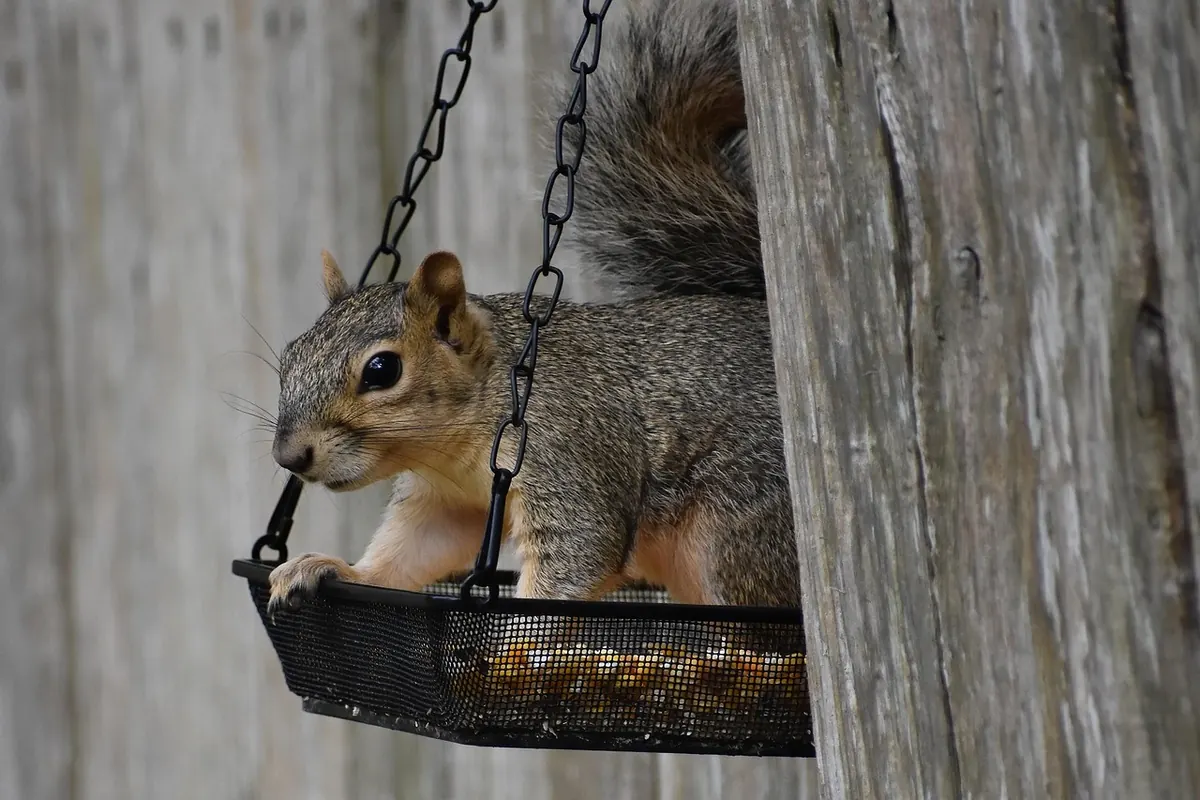
Finally, put the feeders where you can reach them safely. A station on a safe, shoveled path you can top up in slippers beats a perfect setup at the back of the yard that you only visit when the weather is kind. A pole baffle under suet and seed keeps squirrels from chewing through the cages in January, when they are just as hungry as the birds.
Keep it clean, keep it going
Congestion at winter feeders spreads illness fast. Scrub feeders every couple of weeks — more often in mild, damp spells — in warm soapy water, then rinse in a weak bleach solution of about one part household bleach to nine parts water, rinse again and let them dry completely before refilling. Rake up hulls and droppings below the poles.
If you notice a bird that looks lethargic, fluffed and unwilling to fly, or one with crusty eyes or swelling around the face, take the feeders down for a couple of weeks and clean everything thoroughly. Consider checking with a wildlife rehabilitator or your state wildlife agency about what you are seeing.
A winter routine that actually holds
Fill in the late afternoon so birds can load up before the coldest hours, then check again mid-morning after a hard freeze, when ice and wind have had their say. Keep a spare feeder and a bin of seed indoors so you are never digging in the shed at dusk. If you travel, ask someone to keep the station going — a feeder that runs empty for a week teaches birds to look elsewhere.
One more thing: a feeder supplements wild food, it does not replace it. Leave seed heads standing through winter, keep a brush pile in a corner, and let a few evergreens grow dense. And check local rules before you start, especially in bear country, where feeding should wait until bears are denning.
Photo: Gundula Vogel / Pexels