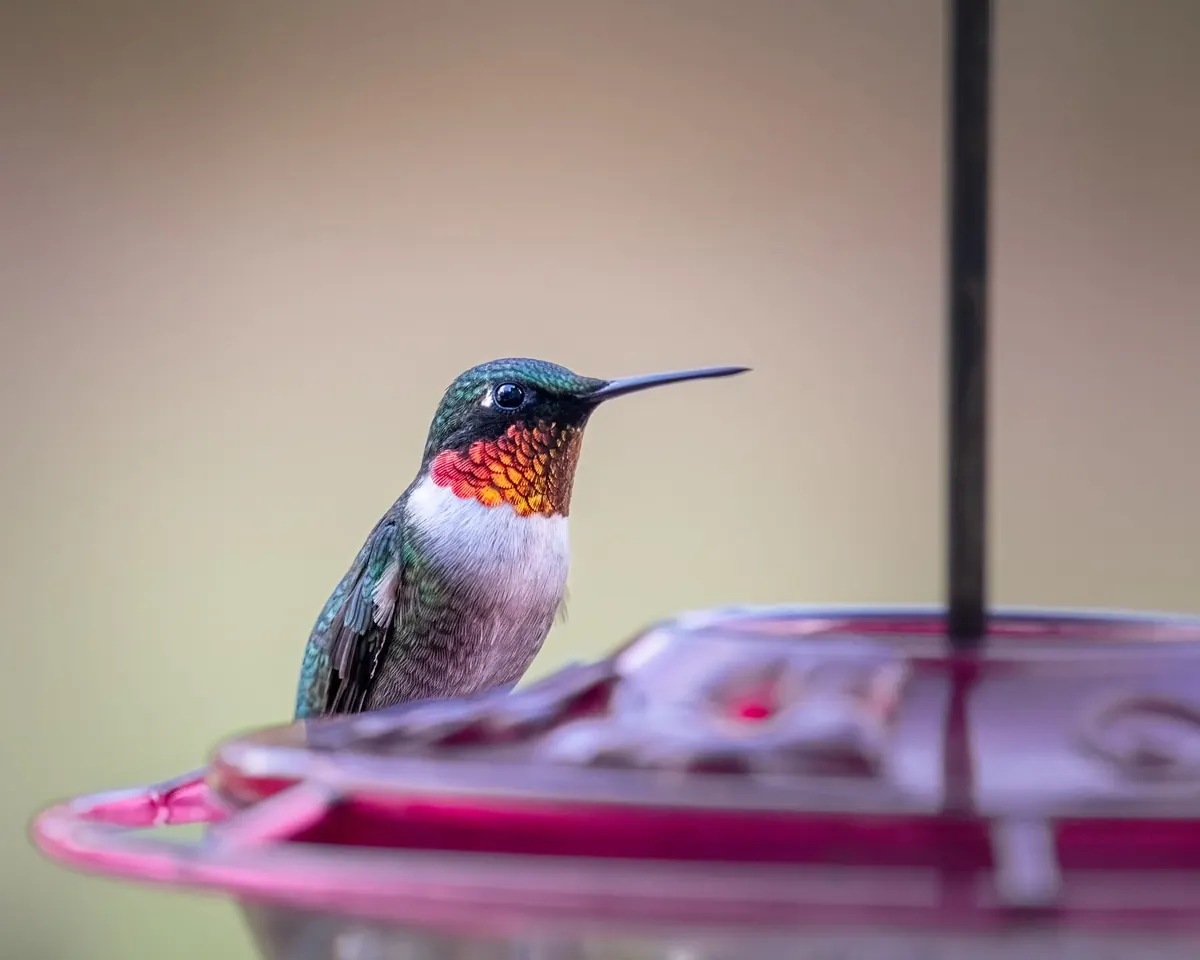
6 Feeder Hygiene Mistakes That Make Backyard Birds Sick
A feeder hanging by the kitchen window looks wholesome enough from indoors. Up close, the perch is tacky with droppings, a few seeds at the bottom are clumped and pale, and the port the goldfinches keep using has a dark crust around the rim. None of that shows from ten feet away, which is exactly why feeder hygiene slips.
Feeding birds is one of the better things you can do for backyard wildlife — until a feeder becomes a place where disease moves easily between birds that would otherwise never sit inches apart. The fix is boring and cheap: clean often, rotate, keep things dry. Below are the mistakes that undo most backyard setups, plus a schedule that takes less time than filling the feeders.
Why a dirty feeder is a health risk
Feeders don't create disease, but they concentrate it. Seed, perches, and water dishes collect droppings, saliva, and the moisture that lets bacteria and molds survive between visits. When one bird is sick, everything it touches becomes a possible route to the next bird.
Salmonella is the classic concern, and outbreaks are regularly reported in winter flocks of finches and other gregarious seed-eaters. Moldy seed contributes to respiratory problems, crowded perches spread eye infections, and any spot where birds stand in each other's waste is a place where infections pass easily. Sick birds often look puffed up, sit still, and let you get closer than usual.
Mistake 1: Cleaning only when the feeder looks bad
By the time a tube feeder looks grimy, birds have been eating off it for days. A sensible default is once a week for seed feeders, and more often in warm, humid weather or when traffic at the feeder is heavy.
Sugar-water feeders are their own case. Nectar ferments and grows mold quickly, so clean and refill them every two to three days in hot weather, and daily if they hang in full sun. Never top up nectar without cleaning the feeder first.
Mistake 2: Rinsing when you should be scrubbing
A quick rinse under the tap leaves the biofilm that matters — the slick layer inside the tube and around the ports where pathogens hang on. Here's a routine that actually works:
- Take the feeder apart completely. Every part birds touch gets cleaned: ports, perches, base, lid, and the inside of the tube.
- Scrub with hot soapy water and a bottle brush or stiff brush. Get into the corners and the seams where parts meet.
- Disinfect. A solution of one part unscented household bleach to nine parts water is the usual recommendation. Soak or spray, let it sit a few minutes, then rinse thoroughly. Never mix bleach with vinegar or ammonia.
- Dry it completely before refilling. Damp seed and leftover moisture are half the problem.
- Wash your hands, and clean feeders outside or in a utility sink — not the sink you use for food or dishes.
Wear gloves if you're handling a feeder with visible droppings or you've had sick birds around. Vinegar is a decent degreaser for routine scrubbing, but it isn't a substitute for a proper disinfectant when disease is a real concern. And skip the dishwasher unless the manufacturer says the feeder is dishwasher-safe.
Mistake 3: Topping up seed over old seed
Pouring fresh seed on top of a damp, clumped layer at the bottom is how mold gets a permanent home. Empty the feeder each time you clean, dump the old seed, and check what you're adding — if it smells musty or clumps in your hand, throw it out. Store seed in a sealed container in a dry spot, not in a shed where it picks up humidity.
Wet seed is the other half of this mistake. Clogged ports, trays that hold water after rain, and platform feeders where hulls pile up all create damp conditions. In a rainy climate, choose feeders that shed water and clean the trays often.
Mistake 4: Putting out more feeders than you can maintain
More feeders means more birds and more crowding, which is exactly the condition that spreads disease. Rotation solves two problems at once: fewer feeders out means less cleaning, and taking feeders in and out breaks up the crowd.
Keep half your feeders out and store the clean, dry spares; swap them midweek. Spread the feeders you do hang a few feet apart rather than clustering everything on one pole.
Mistake 5: Ignoring the water and the ground below
Birdbaths need the same treatment as feeders but often get none. Scrub the bath every few days and refill with fresh water, changing it daily in warm weather when mosquitoes are a concern. Algae turns a bath into a slick surface that's hard for birds to grip.
The ground underneath is the part everyone forgets. Hulls and droppings accumulate below a hanging feeder, and that litter stays damp, grows mold, and becomes a place where ground-feeding birds pick up whatever is there. Rake it up every few weeks and move the feeder to a fresh spot once or twice a season.
Mistake 6: Missing the signs and leaving feeders up
If you see a bird that's fluffed up, lethargic, has crusty or swollen eyes, or is unsteady on a perch, act quickly. Take down every feeder and bath for about two weeks. Clean and disinfect all of them, discard open seed, rake underneath, and don't put anything back until the break is over. Sick birds tend to return to the same feeder, so leaving it up keeps the cycle going.
Don't handle sick or dead birds with bare hands. If you find several dead birds at once, contact your state or provincial wildlife agency or a licensed wildlife rehabilitator for guidance. And for any concern about your own health, talk to a healthcare professional.
A weekly schedule that takes about twenty minutes
Pick one day — Sunday morning works — and do the same thing every time:
- Once a week: full clean and disinfect of every feeder in use.
- Midweek swap: bring in half the feeders, hang clean dry ones, and spread the rest out.
- Water: scrub the birdbath every two to three days; daily in hot weather.
- Twice a month: rake hulls and droppings under the feeders, and move a feeder to a new spot.
- Nectar feeders: clean every two to three days in warm weather, and never refill without washing first.
- Seed check: open the storage bin and smell it. Musty seed goes in the trash.
Make it easy enough to keep doing
Hygiene fails when the job is inconvenient. Keep a bucket by the door with a bottle brush, a stiff brush, gloves, and a small jug for mixing bleach solution. Hang feeders where you can reach them without a ladder. If you're heading out of town for more than a few days in summer, take the feeders down before you go rather than leaving them to sit.
Two or three well-maintained feeders will bring in plenty of birds and do them far more good than a yard full of neglected ones. The birds that visit can't choose where they eat, so the state of the feeder is entirely up to you — and it takes less time each week than refilling it.
Photo: Skyler Ewing / Pexels